CONTEXT
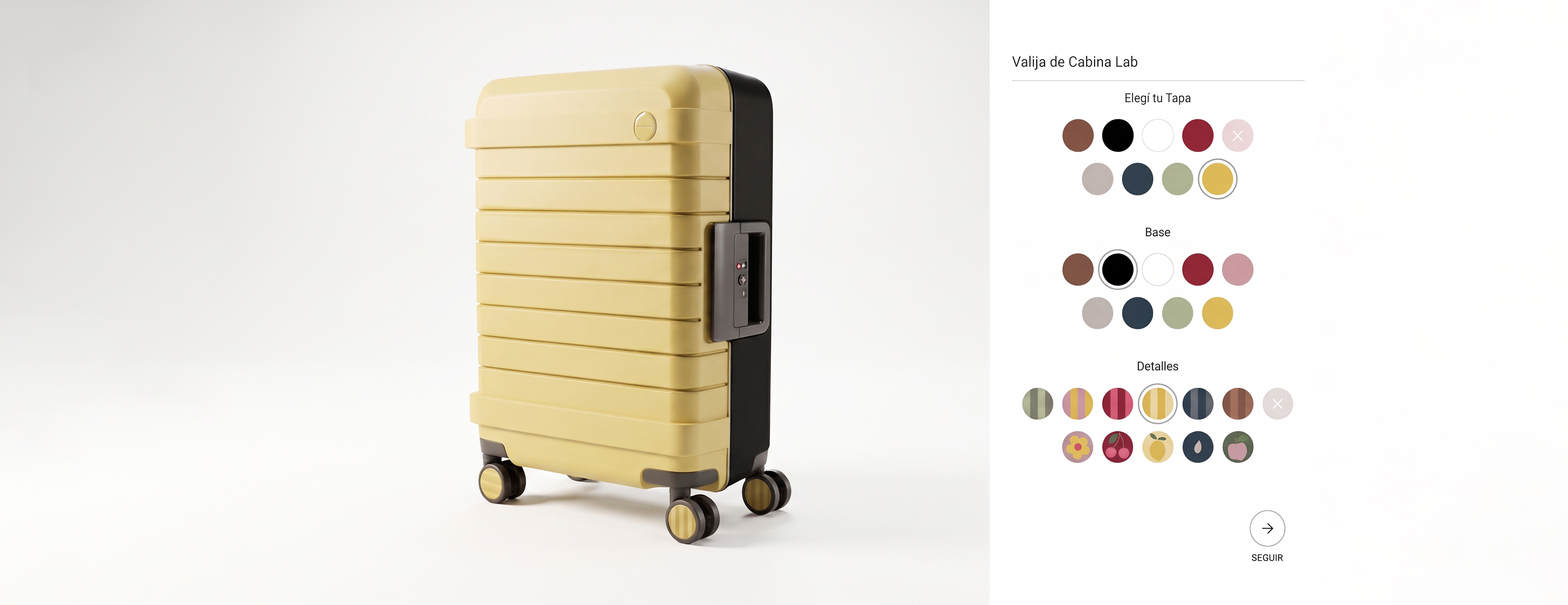
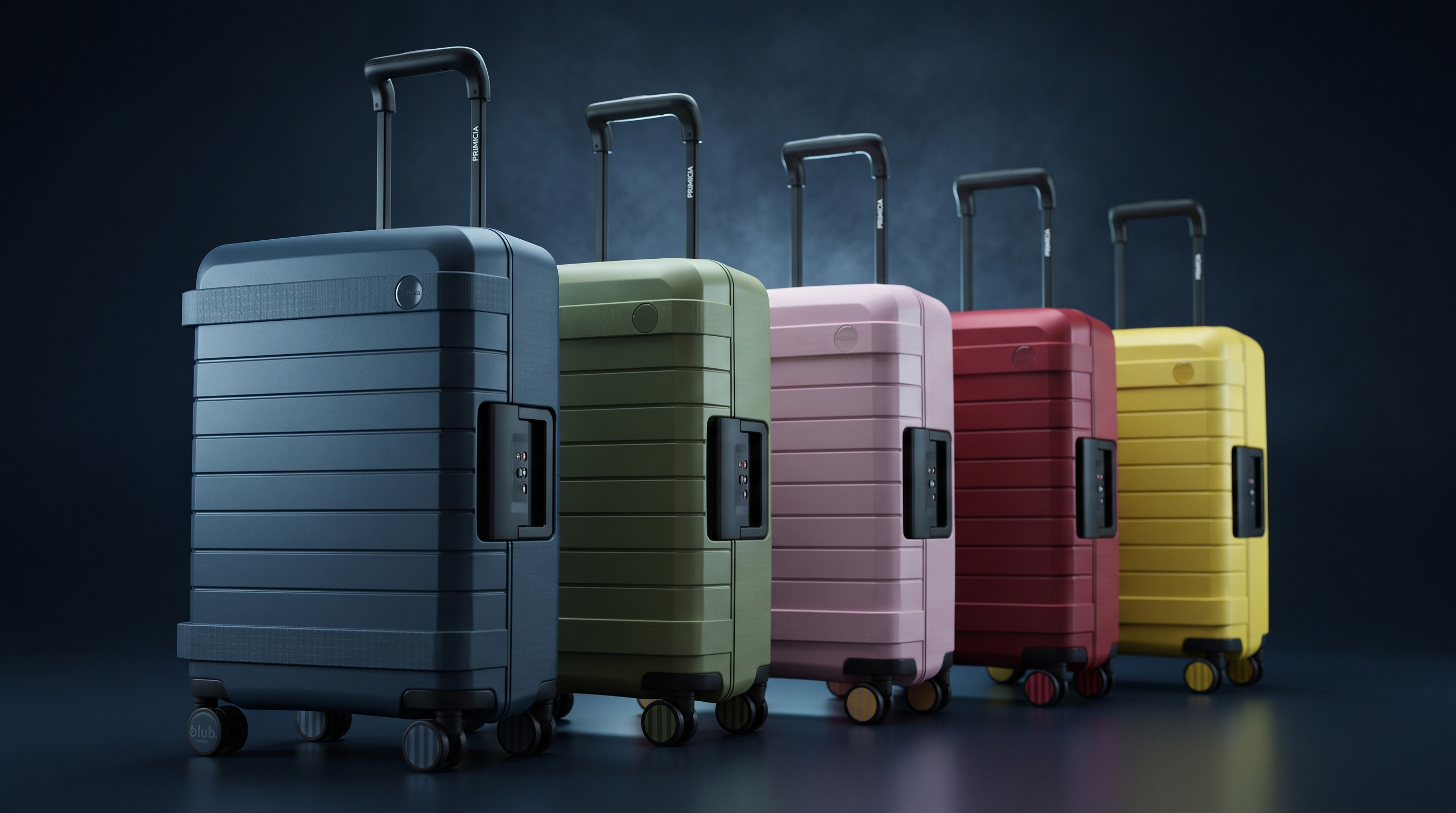
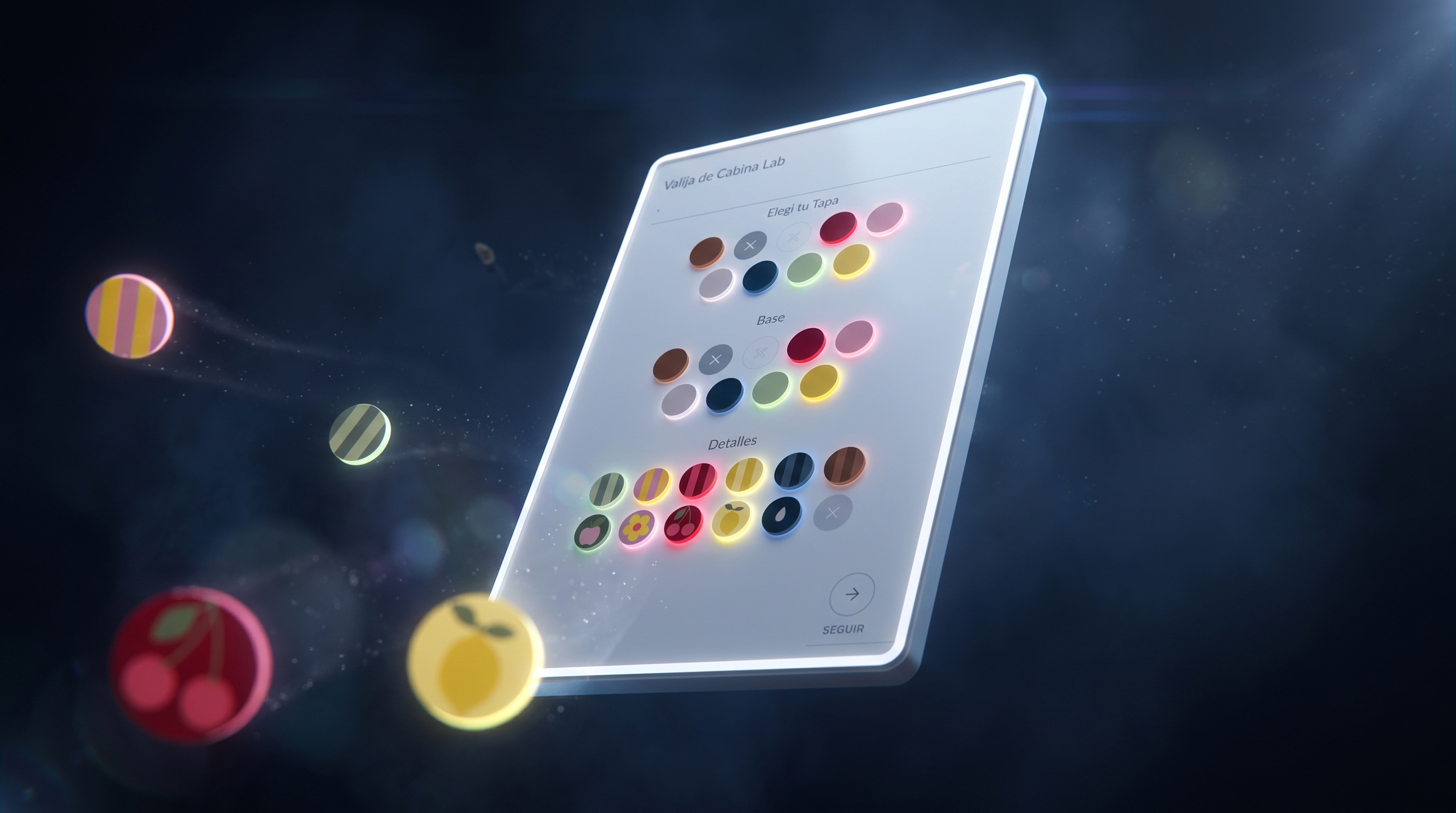
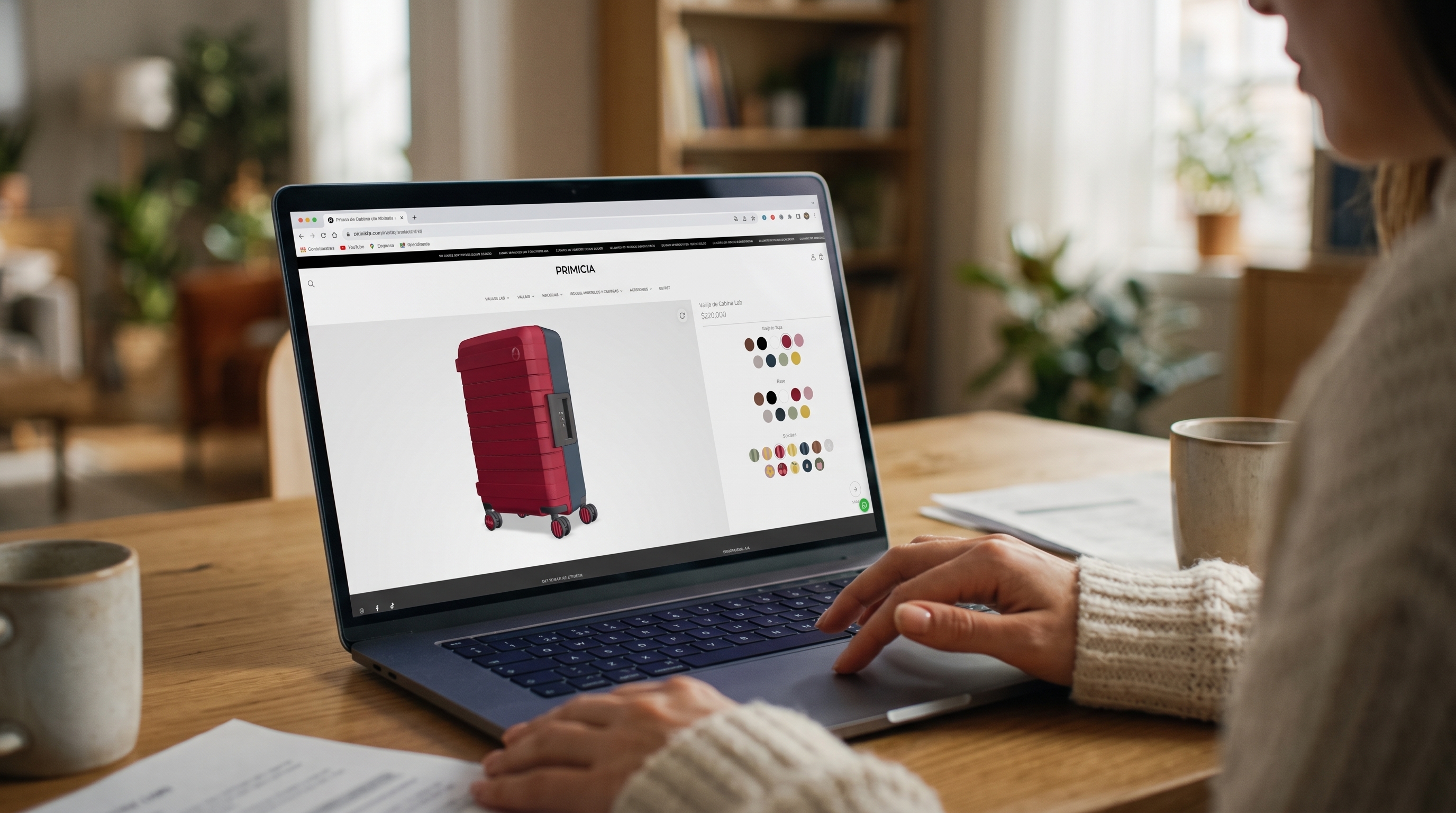
Primicia is one of Argentina's leading luggage brands. With the Lab line, they moved into customizable product: instead of buying a finished case, the customer assembles one — shell, base, details, divider, lining, organizers — each selected separately. The value isn't in any single piece. It's in the combination.
THE PROBLEM
Static photography can't sell a configurable product.
Customers could see the pieces. They could never see their combination. Without a live preview, the buying decision rested on imagination — which produced hesitation, repeated color inquiries, and abandoned carts.
OBJECTIVES
Three hard targets framed the work:
CONSTRAINTS
Mobile-first
Mid-range Android was the baseline — not a desktop GPU.
No third-party visualization SDK
No monthly licensing, no external viewer dependency.
Native to the store
The configurator had to live inside the existing e-commerce platform and feed its native cart.
One page, no apps
No plugins, no separate experience to install or maintain.
PROCESS
Component architecture
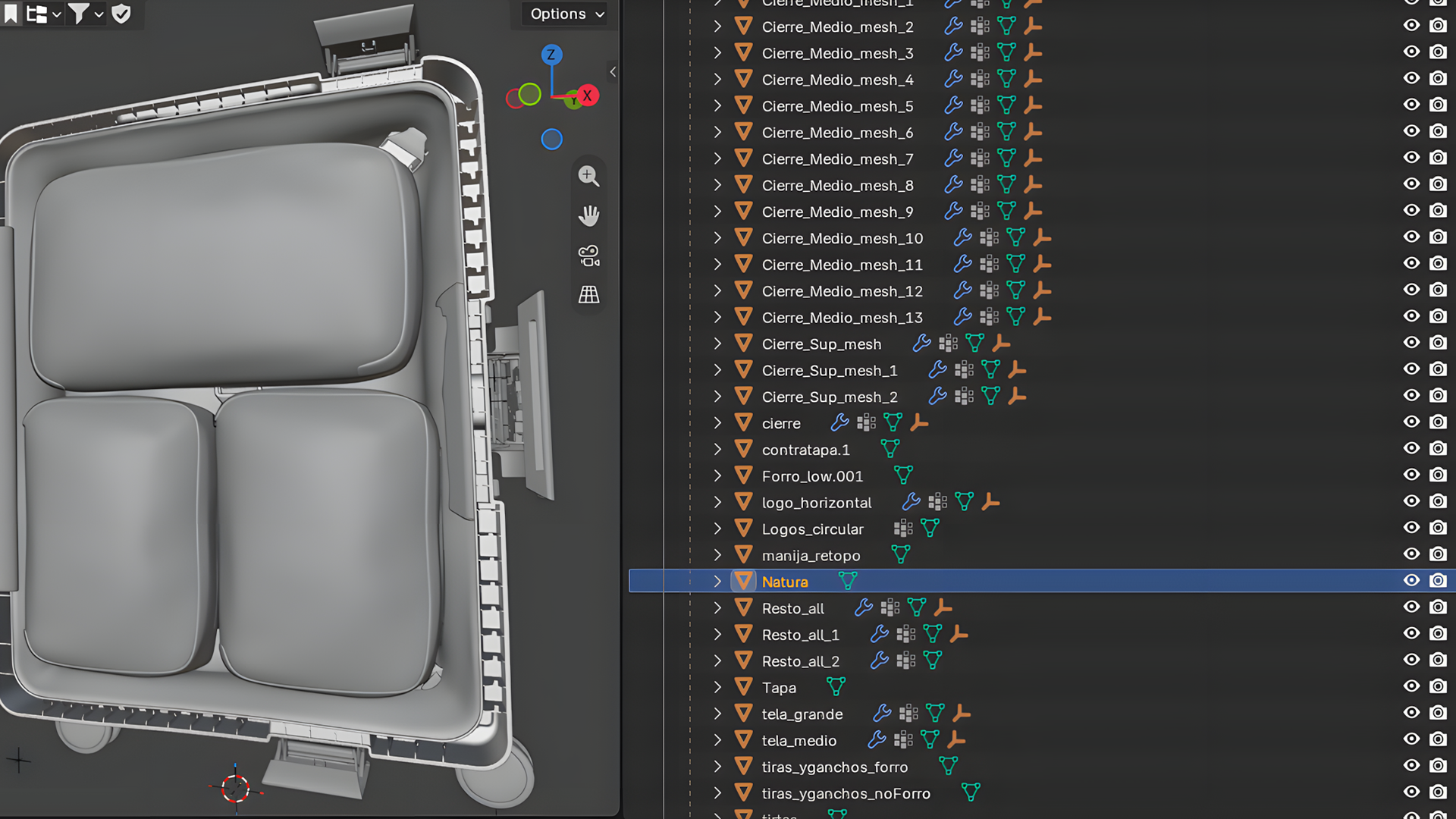
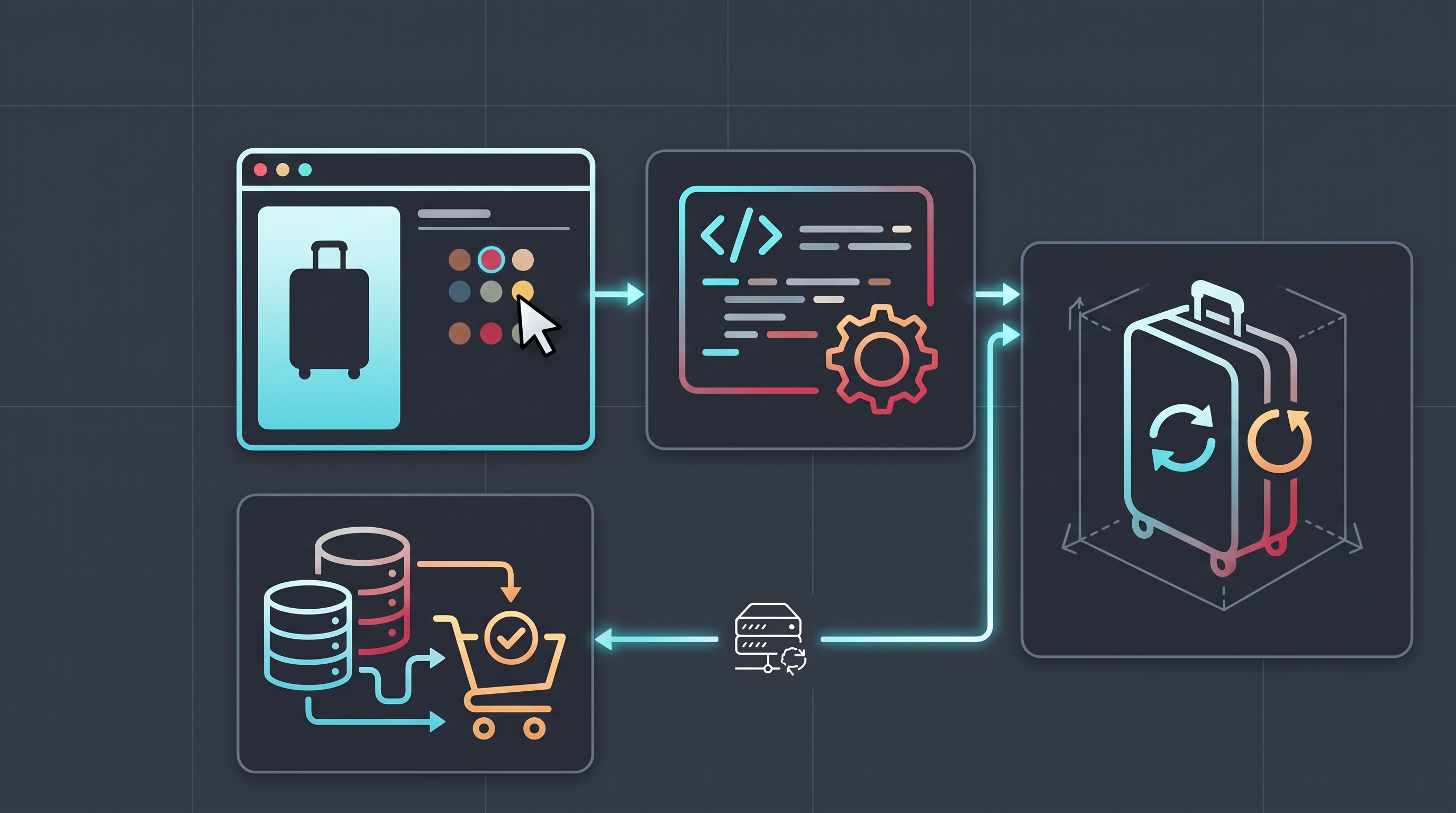
Every part defined as an independent sub-model, mapped to the UI state.
Modular modeling
Clean topology, low poly count, consistent pivots across pieces.
Procedural texturing
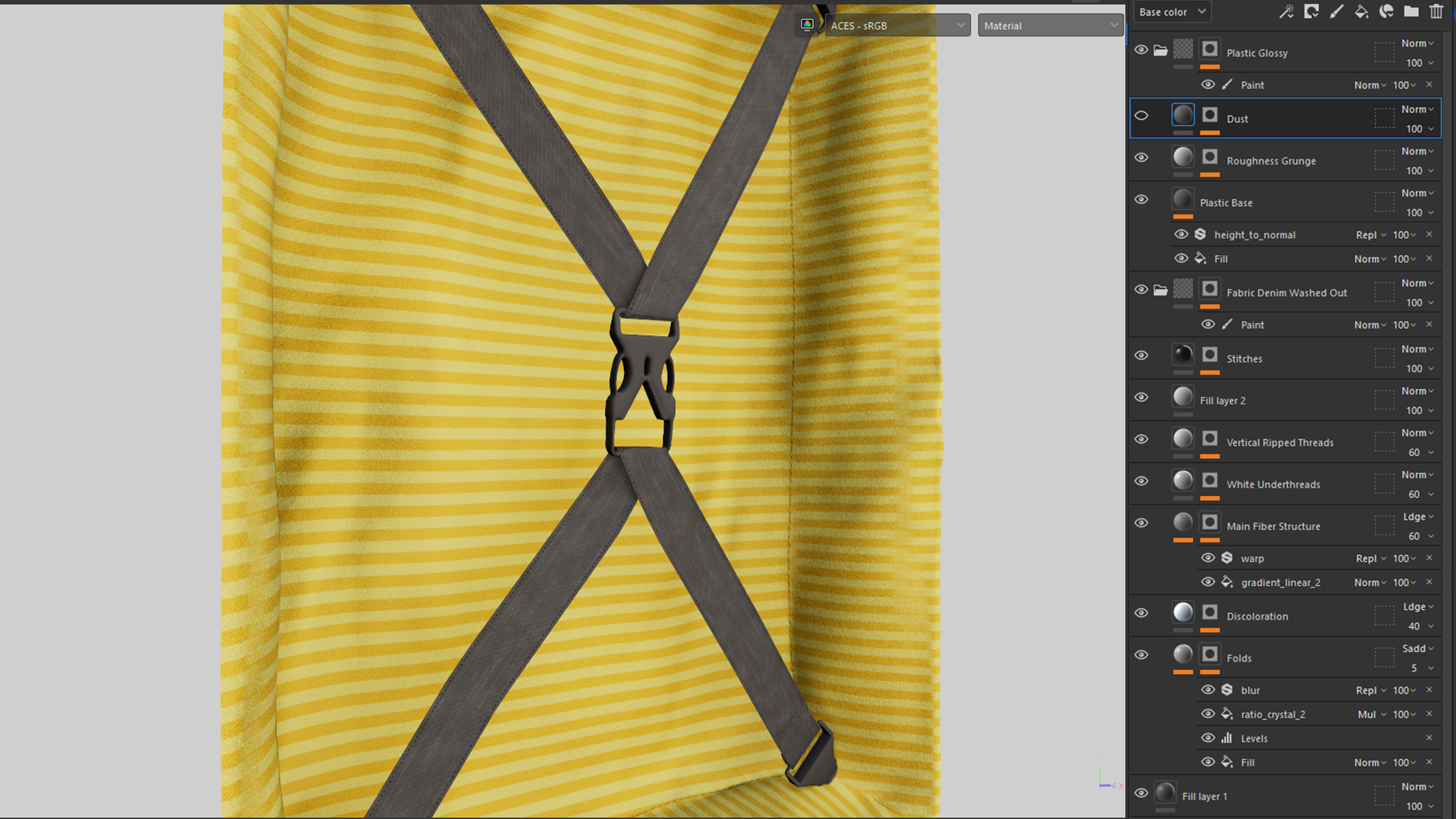
Map baking in Substance 3D Painter for polymers, textiles, and metal hardware.
Web integration & QA
Real-time pipeline, on-demand loading, cart logic, and device testing.
KEY DECISIONS
Every part as an independent sub-model
Rather than one heavy asset, each component loads on demand, keeping the initial payload minimal.
One source of truth
The same state that drives the 3D view also drives the price breakdown and cart summary — no duplication, no desync.
Native over third-party
A custom WebGL engine instead of a licensed viewer meant zero recurring costs for the client and full control over performance.
Cart as a set
Configured pieces are grouped so a design travels to checkout as one unit, not as scattered line items.
RESULTS

LEARNINGS
“If I ran it again, I'd build the material system first, so the catalog could grow without rework for every new texture. It would have shortened the second half of the project.”